What Is Laser Hair Reduction?
Introduction
Laser hair reduction is a modern, technology driven method for long term management of unwanted hair on the face and body. Instead of constant shaving, waxing or threading, laser based devices target the hair root to significantly slow regrowth over a series of sessions.
The treatment is now widely used by dermatologists and aesthetic clinics for both men and women who seek smoother skin and a more convenient grooming routine.
How Laser Hair Reduction Works
The laser emits a concentrated beam of light that is selectively absorbed by the pigment in the hair shaft and follicle. This light energy is converted into heat, which damages the growth structures of the hair without harming the surrounding skin when performed correctly.
Because hair grows in cycles, multiple sessions are required so that the laser can effectively treat follicles in the active growth phase.
Key Benefits
- Progressive and long lasting reduction in hair density.
- Reduced need for frequent waxing or shaving.
- Lower risk of ingrown hair and razor bumps over time.
- Smoother, more even skin appearance in treated areas.
- Fast sessions that can be scheduled around a busy lifestyle.
Treatment Experience
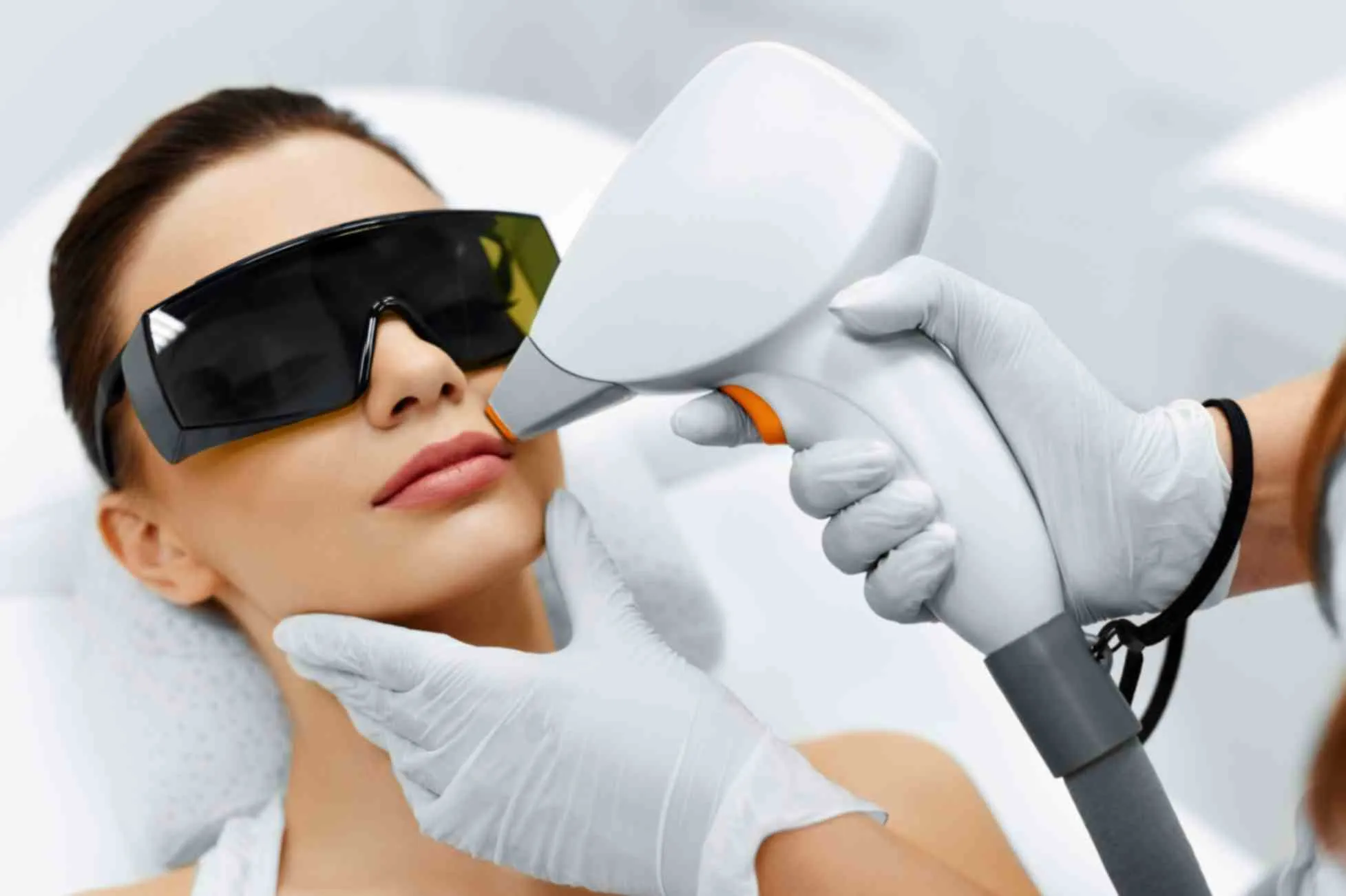
Before starting, a dermatologist will take a detailed history, examine the skin and select device parameters based on skin type, hair colour and area treated. Protective eyewear is used during the procedure, and a cooling system or gel is often applied to enhance comfort.
Most individuals describe the sensation as a quick, tolerable snap on the skin. Mild short term redness may be observed and usually settles within a few hours.
Safety and Aftercare
When performed by trained professionals using approved devices, laser hair reduction is considered a safe procedure. It is important to avoid tanning, follow pre and post care instructions and use broad spectrum sunscreen on exposed areas.
Clients should disclose any medications, hormonal concerns or history of pigmentation issues so that the practitioner can plan a customised protocol and minimise the chance of adverse effects.